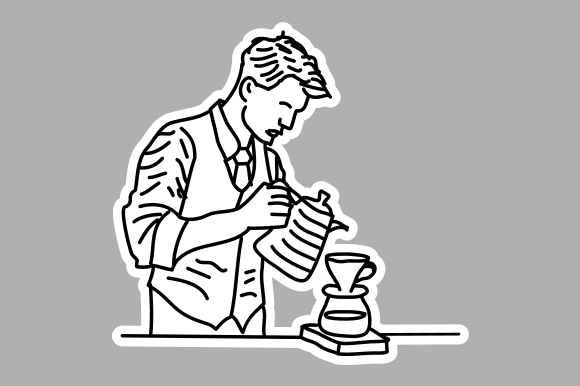
Barista Making Pour over Coffee: A Designer's Real-World Review
When I first opened the Barista Making Pour over Coffee file, I didn't just see a graphic; I saw a potential bestseller. As someone who has spent years testing digital assets for real-world embroidery projects, my initial reaction was one of cautious optimism. The description highlights "Classic Hand-Sketched Artwork," and that is the key phrase here. In the world of machine embroidery, the difference between a design that looks like a crisp vector and one that feels like a hand-drawn sketch can make or break the final product.
This illustration is perfect for a variety of creative projects, but let's be honest: not every illustration translates well to thread. My goal today is to walk you through how this specific design performs when it moves from your screen to your hoop, specifically for those of us running small shops, Etsy listings, or crafting personalized gifts. We need to look past the pretty preview image and discuss the practicalities of stitching.
The Mood and Visual Personality
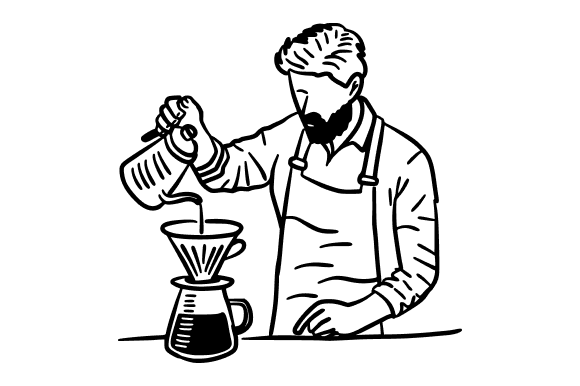
The Barista Making Pour over Coffee design immediately evokes a sense of warmth and artisanal craft. The hand-sketched style suggests a slower pace, a morning ritual, and a love for the details of coffee preparation. This mood is incredibly valuable for branding. If you are designing for a local coffee shop, a boutique cafe, or a home-brewing enthusiast, this design fits perfectly without feeling overly corporate.
Visually, the layout relies on organic lines rather than rigid geometric shapes. This gives it a soft, approachable personality. For an embroidery project, this means the design will likely feel more tactile and less stiff than a standard logo. It creates a connection with the viewer before they even touch the fabric. Whether you are creating a custom apron for a barista or a tote bag for a coffee lover, the artwork sets a tone of authenticity that customers respond to positively.
Real-Life Application: The Custom Apron Scenario
Let's imagine a real scenario. You are preparing for a holiday gift season or restocking your Etsy shop. You decide to create a line of kitchen towels and aprons featuring the Barista Making Pour over Coffee motif. The target audience is people who take their coffee seriously and appreciate handmade goods.
In this context, the design shines. The sketched aesthetic works beautifully on textured fabrics like linen or heavy cotton canvas often used for aprons. When stitched onto a tea towel, the varying line weights of the hand-sketch style mimic the natural flow of a pour-over stream. It doesn't look like a mass-produced sticker; it looks like part of the garment. Customers browsing your shop will likely perceive higher value in a product that features a design with such distinct artistic character compared to generic clip art.
I also envision this working well on sweatshirts for a cozy winter collection. The contrast between the detailed sketch and the soft fleece texture would create a nice depth. However, placement is everything. On a sweatshirt, center chest or left pocket placement allows the design to breathe. If you try to crowd it too much, the intricate lines might get lost against the fabric pile.
Where Caution Is Required
While the design is versatile, there are specific situations where Barista Making Pour over Coffee requires careful consideration. Not all embroidery files are created equal, and the hand-sketched nature of this illustration introduces unique challenges.
First, consider the hoop size. Because the design features fine lines and delicate details typical of a sketch, attempting to stitch it in a very small hoop could result in a loss of definition. Tiny dots or thin lines might merge together if the stitch density is too high or the fabric pulls too much. Always check the recommended dimensions before committing to a small patch or a baby onesie.
Fabric choice is equally critical. Avoid using this design on highly stretchy knits without proper stabilization. The tension required to hold the fine lines in place could cause the fabric to pucker, distorting the sketched look. Similarly, dark fabrics can be tricky. If the design relies heavily on light-colored threads to show off the sketch lines, the background color might interfere with the visual clarity unless you use a high-quality underlay or a white backing.
Textured fabrics, while great for aprons, can sometimes hide detail. If the fabric weave is too rough, the running stitch or satin stitch elements of the design might not lay flat. In these cases, a stabilizer that adds structure without adding bulk is essential. Also, be wary of dense stitch areas. If the original illustration has overlapping lines, the digitization might have created a thick block of stitches. This can make the finished product stiff and uncomfortable, especially on items that need to drape softly, like a pillow cover or a child's clothing.
Technical Considerations for the Designer
Before you start selling products with this asset, there are a few technical steps you must take to ensure quality. I always recommend testing the embroidery file on scrap fabric first. This isn't just about checking if it fits; it's about seeing how the thread colors interact with your specific material.
Review the stitch density carefully. A hand-sketched look often requires a mix of fill stitch for solid areas and running stitch for outlines. If the fill density is too high, the design will look muddy. If it is too low, the fabric might show through. Confirm the stabilizer type needed for your chosen fabric—cut-away for stability on woven items, or tear-away for lightweight knits, though cut-away is generally safer for maintaining the integrity of detailed sketches.
If you plan to use this for commercial embroidery, double-check the licensing terms. Some digital embroidery files allow for personal use only, while others permit you to sell finished goods. You do not want to risk a legal issue after building a customer base. Additionally, inspect the small details in the design. Are there any tiny corners that might snag? Does the embroidered patch version have enough border for trimming? These small details affect the professionalism of the final item.
Impact on Brand and Customer Trust
Using a high-quality design like Barista Making Pour over Coffee directly influences how your brand is perceived. In the crowded market of handmade goods, presentation is everything. A clean, well-stitched design signals attention to detail. It tells the buyer that you care about the quality of your work, not just the speed of production.
When a customer sees a tote bag design or a sweatshirt embroidery piece that looks polished and intentional, their trust in your shop increases. They are more likely to believe that other aspects of their purchase—the materials, the packaging, the service—are also top-notch. Conversely, a design that looks pixelated or poorly stitched due to incorrect settings can damage that trust instantly.
This design also enhances the "giftability" factor. A personalized gift featuring a thoughtful, sketched illustration of a barista pouring coffee feels more meaningful than a generic icon. It speaks to the recipient's hobbies and lifestyle. For Etsy sellers and small business owners, this emotional connection is a powerful tool for driving sales.
Final Thoughts on Practicality
The Barista Making Pour over Coffee illustration offers a fantastic blend of artistic charm and commercial viability. It is a strong candidate for custom apparel, kitchen textiles, and decorative items. However, its success depends entirely on the execution. By paying close attention to fabric selection, stabilization, and stitch settings, you can turn this digital asset into a tangible product that stands out.
Remember to compare light and dark fabric backgrounds during your test runs. Ensure the design assets are sized correctly for your intended finished product. With the right approach, this design can elevate your craft business and help you create memorable items that customers will cherish. It is a reminder that good design isn't just about looking good on a screen; it is about translating that vision into reality, one stitch at a time.