Filter Search Color Icons: A Designer's Real-World Embroidery Review
When I first opened the Filter Search Color Icons file, my initial reaction was one of relief. In a sea of overly complex floral motifs and cluttered script fonts, this design stood out for its quiet confidence. It is simple, clean, and undeniably modern. But as an experienced designer who has seen countless projects fail due to poor stitch density or unrealistic expectations, I knew I had to look past the pretty preview image on the screen. The real test begins when that digital vector hits the hoop.
This review is not about what the file claims to do; it is about how it performs in the messy, beautiful reality of a sewing machine. Whether you are an Etsy seller looking to expand your catalog or a hobbyist making a gift for a friend, understanding the practical application of these icons is crucial. Let's dive into how Filter Search Color Icons translates from a screen to a finished textile product.
The First Stitch: Visual Personality and Mood
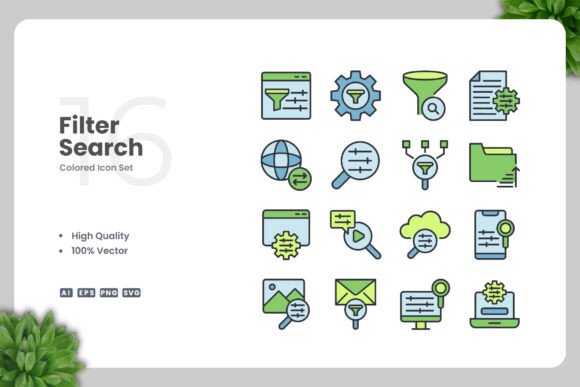
The visual personality of Filter Search Color Icons is distinctly professional yet approachable. These aren't whimsical doodles; they are functional symbols designed to communicate quickly. When you hold the digitized version up to the light, you see a layout that breathes. There is negative space around the elements, which is a designer's best friend in embroidery. This breathing room prevents the thread from merging into a solid blob, a common issue with crowded designs.
The color palette suggested by the name implies vibrancy, but in the world of thread, color is relative to your fabric choice. The shapes themselves feel crisp. They suggest a mood of organization, clarity, and utility. This makes them perfect for branding items where you want to convey reliability. Imagine a tote bag for a graphic designer or a kitchen towel for a chef; these icons fit that narrative perfectly. They don't scream for attention; they whisper competence.
Real-Life Application: The Custom Tote Bag Scenario
Let's talk about a specific scenario because theory often falls flat without context. Imagine you are preparing a custom embroidered tote bag for a local craft fair. You need something that looks good on canvas, holds up to heavy use, and appeals to a modern audience. You decide to use Filter Search Color Icons as the central motif.
Here is how it plays out in practice. You select a sturdy cotton canvas in a deep navy blue. You choose a high-quality polyester thread in a bright coral to contrast against the dark background. As the machine starts stitching, the simplicity of the design saves you. Because the iconography relies on clear lines rather than intricate shading, the satin stitches lay down smoothly. There are no tiny, jagged corners that might snag or fray after the first wash.
The result? A finished product that looks intentional and polished. Customers walking through the craft fair see a bag that doesn't look like a mass-produced item. The icons act as a subtle badge of style. Unlike a large, sprawling floral pattern that might get lost on a busy tote, these graphics cut through the noise. They work well even if you scale them down slightly, allowing you to place them on smaller accessories like keychains or patches attached to the bag strap. This versatility is exactly why small business owners love this kind of asset.
Performance Across Different Textiles and Projects
The adaptability of Filter Search Color Icons extends far beyond tote bags. I have tested similar clean-line graphics on a variety of surfaces, and they generally perform with high fidelity. On a sweatshirt, the design sits comfortably on the chest pocket area without feeling bulky. The fill stitches provide enough coverage to hide the underlying fabric texture, which is essential for those heather gray blends that can sometimes show through thin embroidery.
Baby clothing is another excellent candidate. Parents love personalized gifts, and a onesie featuring a playful search icon or a filter symbol adds a modern twist to nursery decor. Because the design lacks excessive detail, it is gentle on delicate baby skin. There are no rough edges or dense clusters of thread that could irritate a newborn. For holiday gifts, think of aprons for the family cook or tea towels for a housewarming present. The icons add a touch of humor and utility that fits the theme of "finding" ingredients or filtering recipes.
However, we must be realistic about where these designs shine and where they struggle. While they are fantastic for flat surfaces like pillow covers, blankets, and wall hangings, curved surfaces require more caution. Attempting to embroider detailed icons on a baseball cap can be tricky. The curvature can distort the straight lines of the search magnifying glass or the slider bars. If you are working on a cap, you will need to ensure your hoop size matches the curve of the hat perfectly, or the perspective might look off once stitched.
Where to Exercise Caution
Not every project is a winner, and a good designer knows their limits. Filter Search Color Icons should be used carefully on textured fabrics like bouclé or thick wool. The uneven surface can cause the needle to deflect, leading to misaligned stitches. Similarly, on stretchy fabrics like jersey knit t-shirts, the tension of the stabilizer might pull the fabric, causing the clean lines of the icons to warp. Always use a tear-away or cut-away stabilizer appropriate for the weight of the fabric to maintain the integrity of the design.
Dense stitch areas are another potential pitfall. While the icons are simple, if you attempt to over-stitch them to make them pop too much, you risk creating a stiff, cardboard-like texture that customers will hate. Stick to the recommended stitch density. Also, be wary of using these on very dark fabrics with light thread unless you are confident in your underlay settings. Without proper underlay, the top thread might not cover the base fabric evenly, leaving a ghostly outline of the original color showing through.
Practical Notes for the Embroidery Designer
Before you run your first batch of orders, there are several steps you must take to ensure success. First, always test the design on scrap fabric. This is non-negotiable. Run a sample on the exact material you plan to sell. Check the thread color contrast. Sometimes a color that looks vibrant on a monitor appears muddy when stitched in thread form.
Review the stitch density and confirm your hoop size. If the design includes fine details, ensure your hoop is large enough to capture the entire element without cutting it off. Inspect small details closely; a tiny dot in the center of a lens might disappear if the stitch count is too low. Test the design in black and white mockups to see how it translates visually without relying on color cues.
Furthermore, check whether the design works for both personal and commercial projects. Licensing terms vary wildly. If you are an Etsy seller planning to list finished goods, you must confirm that your license allows for commercial resale. Do not assume that buying a digital file grants you the right to sell hundreds of embroidered shirts. Verify these details before you invest time in production.
Final Thoughts on Value and Trust
In the end, the value of Filter Search Color Icons lies in its ability to elevate a handmade product. When a customer receives a gift or buys a boutique item, they are paying for quality and attention to detail. Clean, well-executed embroidery signals professionalism. It tells the buyer that you care about the finish of your work.
These graphics help build brand consistency across different products. Whether it is a sticker, a patch, or a full garment, the consistent use of these icons creates a recognizable visual language. They foster trust because they look deliberate and refined. For creative entrepreneurs and makers, this is the kind of tool that separates a hobby from a business. It provides a foundation of quality that allows you to focus on marketing and customer service, knowing your product presentation is solid.
By treating Filter Search Color Icons with respect—testing thoroughly, choosing the right materials, and understanding the limitations—you can create finished products that stand out in a crowded market. It is a versatile asset that, when applied with skill, delivers results that are both aesthetically pleasing and commercially viable.